
Blogs
Planning for Laser Tattoo Removal: How Many Sessions You’ll Need and What Results to Expect
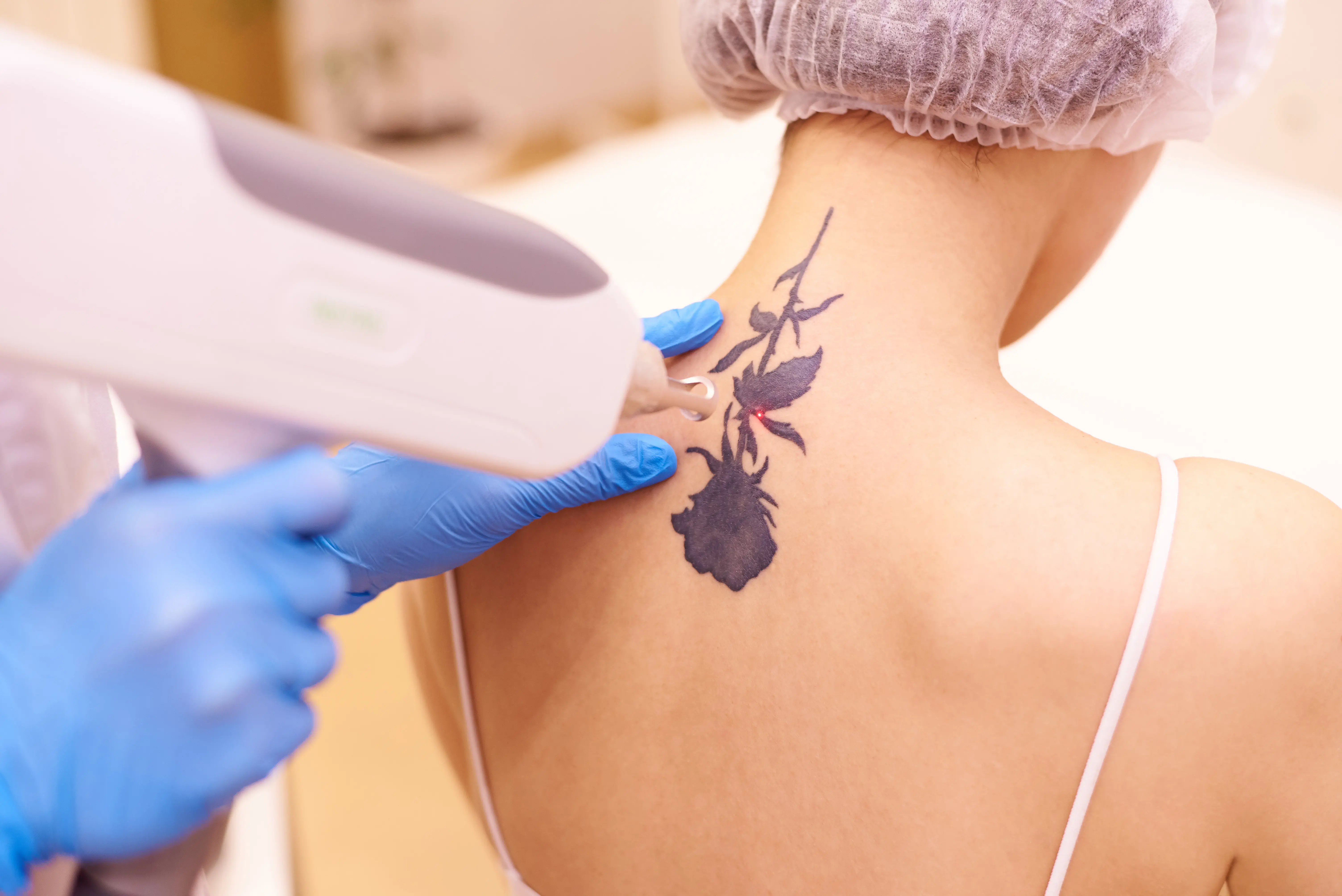
Tattoos are more common than ever, and so is the desire to lighten, remove, or modify them. Whether your tattoo no longer fits your style, was done years ago, or simply didn’t heal as expected, modern laser tattoo removal offers an effective way to fade or erase unwanted ink.
At Every Body Health and Wellness in Northglenn, Colorado, advanced laser technology helps break down tattoo pigment safely and gradually. But one of the most common questions patients ask is: How many sessions will I need? The answer depends on several factors, including the tattoo’s age, depth, color, location, and your body’s natural healing response.
This guide explains how laser tattoo removal works, what influences the number of sessions required, and what you can expect throughout the process.
How Laser Tattoo Removal Works
Laser tattoo removal uses concentrated light energy to target pigment in the skin. The ink absorbs this energy, causing it to break apart into smaller particles. Over time, the body’s immune system flushes out these particles through natural processes.
The Alma Harmony device used at Every Body Health and Wellness is designed to:
• Target individual pigment colors
• Minimize heat damage to surrounding tissue
• Break down ink efficiently
• Support comfortable treatments
• Reduce risk of scarring
Because the process relies on your body’s ability to clear pigment, results occur gradually over a series of sessions.
Factors That Influence How Many Sessions You’ll Need
Every tattoo is unique, which is why the number of sessions varies from person to person. Most tattoos require between 6 and 12 sessions, spaced several weeks apart. Some fade more quickly, while others may take longer.
Here are the biggest factors that affect your total number of sessions:
Tattoo Age
Older tattoos typically fade faster because the ink has naturally broken down over time. Newer tattoos often contain more concentrated, stable pigment, requiring additional sessions for complete removal.
Tattoo Location
Areas with strong blood flow tend to clear ink more efficiently. For example:
• Faster fading: arms, chest, back
• Slower fading: ankles, feet, fingers
These areas heal differently due to circulation, which impacts the body’s ability to flush pigment.
Ink Color
Laser tattoo removal technology has advanced significantly, allowing a broader range of colors to be treated. However, some pigments still respond better than others.
• Easiest to remove: black, dark blue
• Moderate difficulty: green, red
• More difficult: yellow, orange, light pastels
Black ink absorbs the widest range of light wavelengths, making it the quickest to break down.
Ink Depth and Quality
Professional tattoos typically contain deeper, more densely packed ink, which may require more sessions than amateur tattoos. Professional-grade pigments also vary in composition, influencing how they respond to laser energy.
Your Immune System
Tattoo removal relies heavily on your body’s natural healing systems. People with stronger immune responses often see faster fading. Staying hydrated, maintaining healthy nutrition, and avoiding smoking can positively impact the process.
What to Expect During Each Session
Laser tattoo removal sessions are relatively fast, often lasting only 10 to 20 minutes depending on tattoo size. During your appointment:
• Your provider will assess the tattoo
• The area is cleansed and protective eyewear is provided
• The laser is applied in short pulses across the tattoo
• A cooling device may be used to enhance comfort
Most patients describe the sensation as similar to a rubber band snap or quick heat bursts. Any discomfort is temporary, and post-treatment cooling helps soothe the skin.
What Happens Between Sessions
After each treatment, the tattoo will continue to fade over the following weeks. Your immune system gradually clears the ink fragments, and the tattoo becomes lighter and less defined.
You may notice:
• Redness
• Mild swelling
• Temporary darkening of the tattoo
• Scabbing or flaking
These responses are normal and part of the skin’s healing process. Good aftercare helps minimize downtime and optimize results.
Typical Treatment Timeline
While each person’s experience is unique, here’s a general guide to what you might expect:
1–3 sessions: noticeable softening and early fading
4–6 sessions: significant pigment breakdown
7–10 sessions: continued fading and refinement
10+ sessions: residual pigment or stubborn colors resolved
Spacing treatments 6 to 8 weeks apart helps ensure that each session works effectively without overstressing the skin.
Can a Tattoo Be Completely Removed?
In many cases, yes—especially for black tattoos or those placed on areas with good circulation. However, some tattoos may fade to a shadow or ghost image rather than disappear completely, depending on the colors and original ink quality.
Many patients choose to lighten a tattoo rather than fully remove it, especially when planning a cover-up.
Tips for Faster and Better Results
To support your body during the removal process:
• Stay hydrated
• Avoid smoking
• Protect the area from sun exposure
• Follow all aftercare instructions
• Maintain a healthy immune system
These steps help your body eliminate ink more efficiently and improve your overall results.
Start Your Laser Tattoo Removal in Northglenn, CO
If you’re ready to fade or remove an unwanted tattoo, Every Body Health and Wellness in Northglenn, CO offers advanced laser tattoo removal tailored to your needs. Schedule your consultation today to learn how many sessions your tattoo may require and start your journey toward clearer, ink-free skin.
Read More Blogs!
Stay updated with the latest blog posts and engage with our community.